Identity Management Plan
- Choosing a unified name that captures shared values.
- Designing a new logo stressing dependability and originality.
- Clearly stating goods and services.
- Maintain always current signs, taglines, and brand voice.
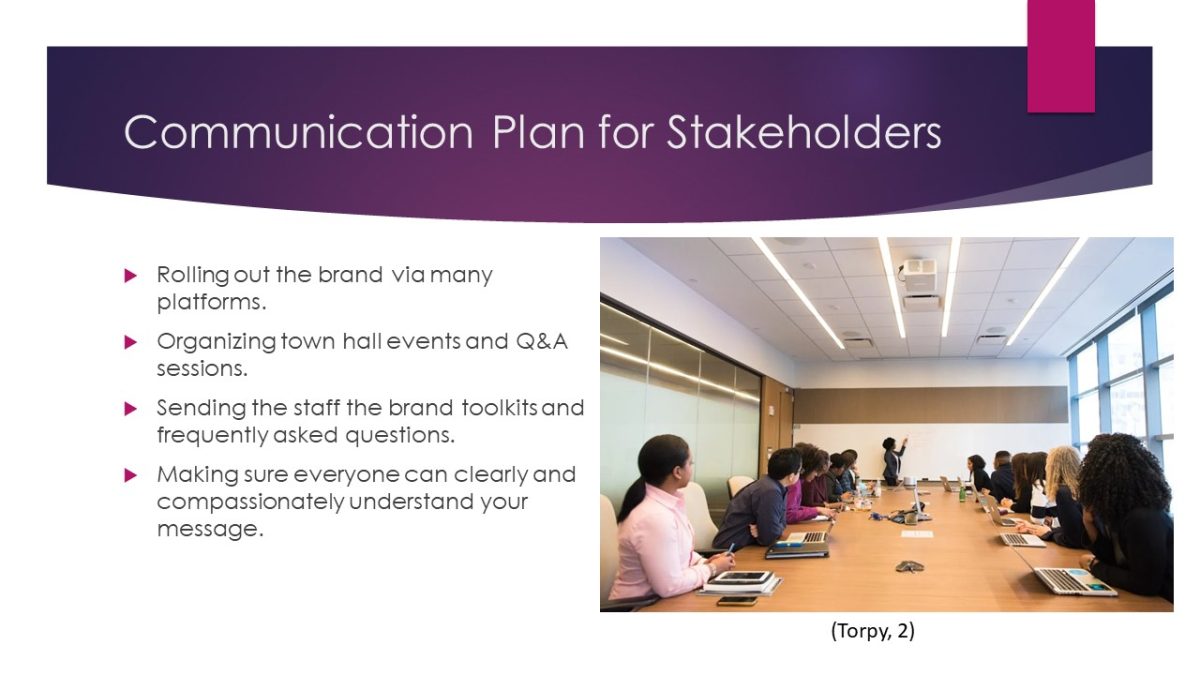
The first stage in the identity management plan is selecting a common name that captures our shared aims and objectives. This name has to radiate dependability, imagination, and compassion. We are working on a fresh logo that artistically depicts these ideas and will be unique. We will define new words for products and services to ensure uniformity across teams. Modern signs and navigation will improve both internal and external views. For all of our marketing products, we will also provide a consistent brand voice and slogan (Cruzat, 12, p. 44). While creating the groundwork for long-term trust, market distinction, and steady development, a strong brand identity helps patient awareness, organizational alignment, and transitional coherence after a healthcare merger.
Red Ocean Strategy
- Arguing based on cost, speed, and quality of your work.
- Increasing patient access as well as in-demand specialty access.
- Leveraging the reputation of the hospital and the community support to your benefit.
- Using open pricing to develop a competitive edge.
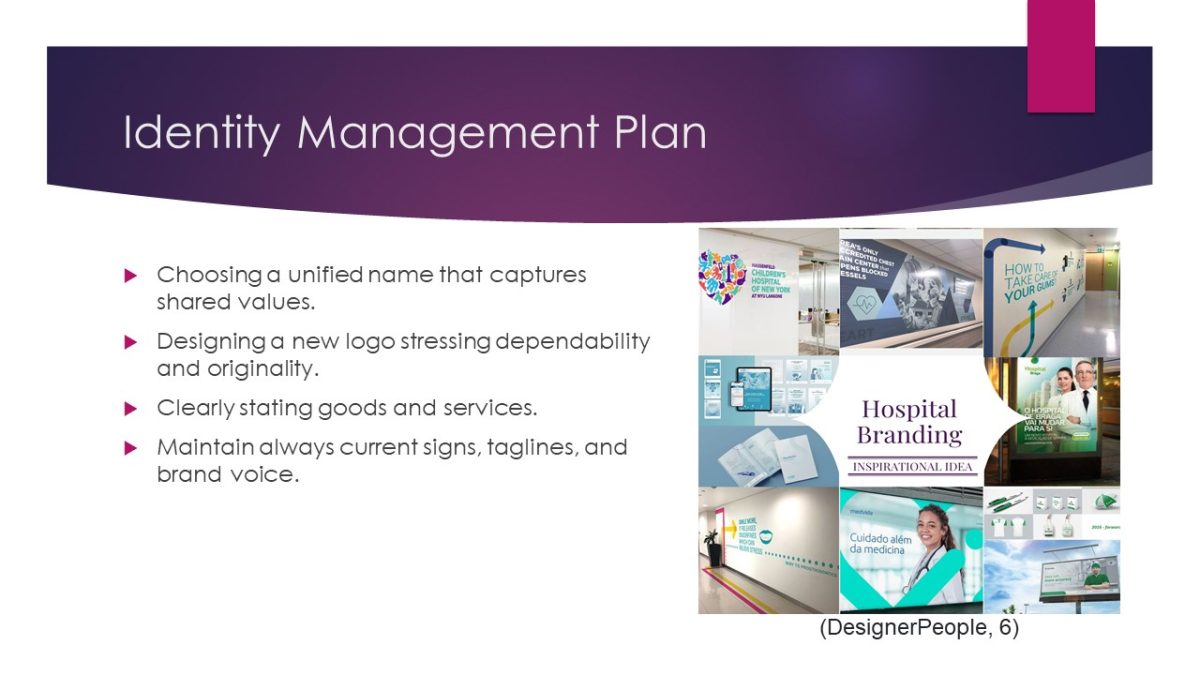
A significant objective of the Red Ocean Strategy is to become the market leader in already-existing niches. The picture shows the most important aspects of this method (Kim, 3). Our method uses focused efforts to reach key drivers of patient preference, superior service quality, lower wait times, and price transparency. Telemedicine options and simplified scheduling will boost access; we will prioritize high-demand specialties like cardiology and orthopedics. We shall stress our neighborhood’s strategic advantage and legacy in our outreach activities (Cybellium, 5). Particularly in marketplaces where numerous institutions provide identical services, a competitive advantage may be acquired by distinguishing products and measurable outcomes in healthcare.
Blue Ocean Strategy
- Local flaws in the health services should be found.
- Starting projects aiming at encouraging good living and preventive actions.
- Improving digital technology and wellness apps.
- Collaborating on outreach to companies and educational institutions.
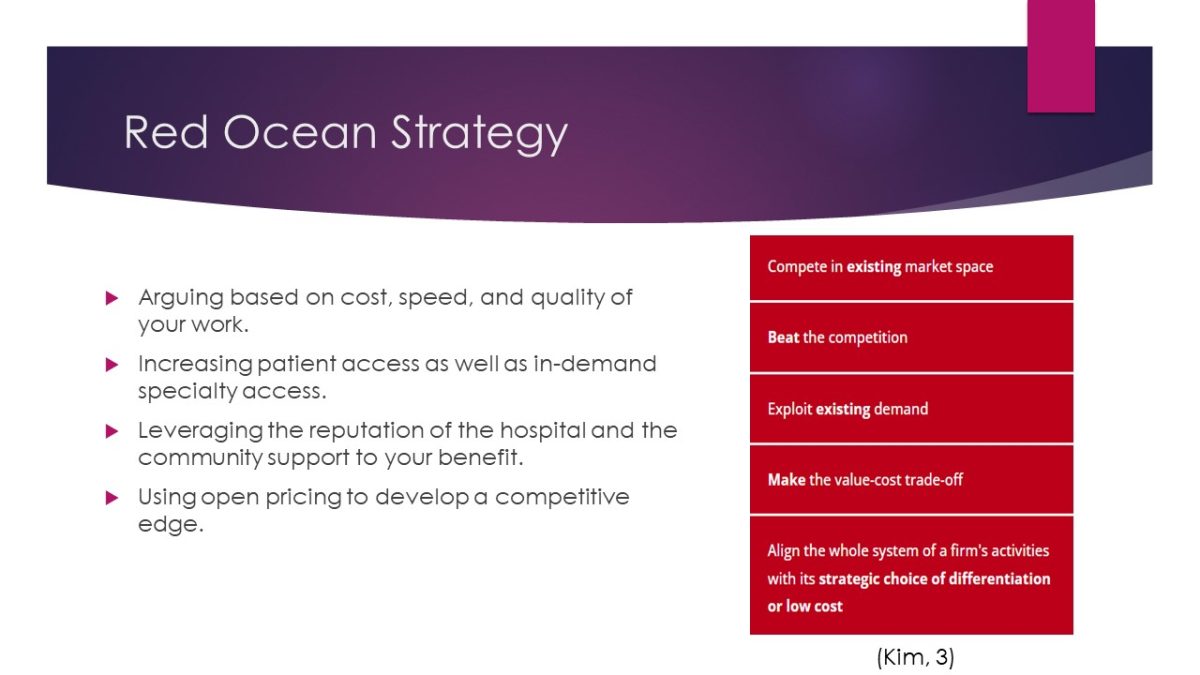
The Blue Ocean Strategy helps us change the market by offering unavailable services to our competitors. The picture illustrates the most critical aspects of the selected method (Kim 3). This entails boosting wellness and prevention programs, especially in regions where the frequency of chronic illnesses differs. We will also use digital wellness platforms with mobile capabilities to engage customers daily. Working with local companies and organizations helps us include health in everyday settings. When successful companies link innovation with unmet demand and generate opportunities for growth and value creation that do not compromise the status quo, they use Blue Ocean Strategy (Ranger, 7, p. 92). With this approach, our system can guide community health change.
Communication Plan for Stakeholders
- Rolling out the brand via many platforms.
- Organizing town hall events and Q&A sessions.
- Sending the staff the brand toolkits and frequently asked questions.
- Making sure everyone can clearly and compassionately understand your message.
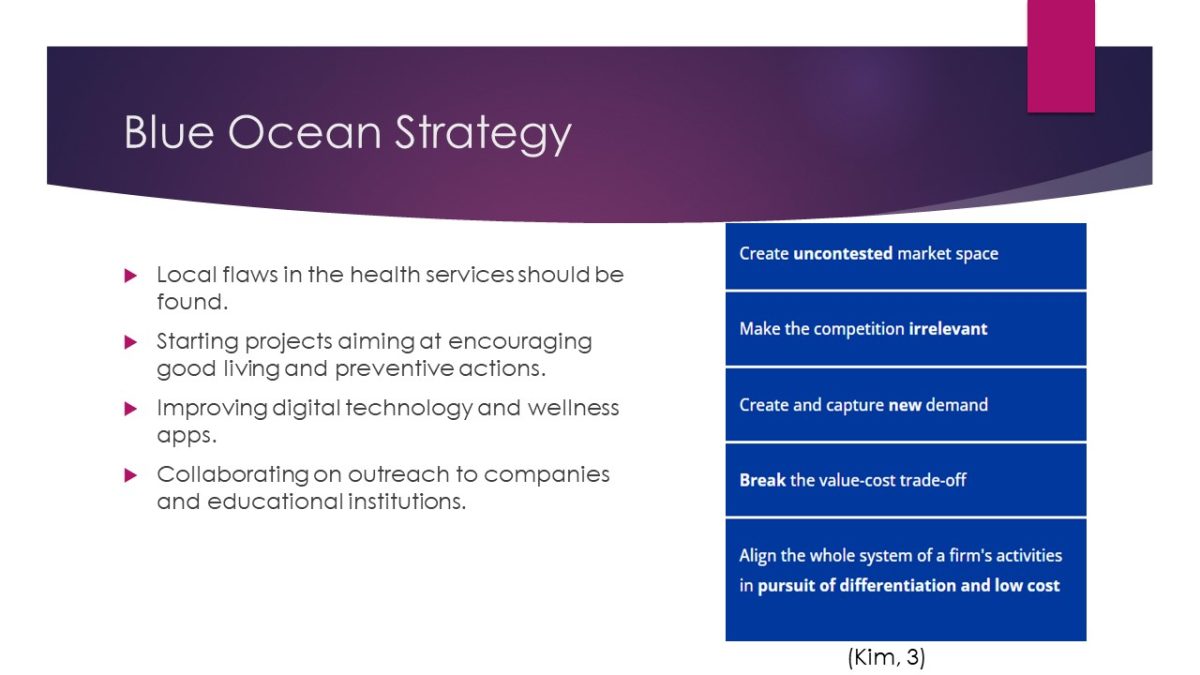
Based on our communication approach, stakeholders will get consistent, honest, and sympathetic messages. Press announcements, corporate newsletters, patient emails, and social media content will all help to explain the merging and branding. We will also host town meetings and question-and-answer events for staff and community members expressing concerns. Employees within the organization can access resource packs that will enable them to represent the new brand boldly. Open communication during hospital rebrandings lowers uncertainty and fosters stakeholder confidence when transitions are anchored on agreed values and long-term benefits (Belasen, 1, p. 65). We want to ensure that staff members and patients are motivated and educated.
Benefits to Stakeholders
- Better still, patients get more focused, better coordinated care.
- Training and inclusivity help employees to feel empowered.
- The community gains from better access and outreach.
- Consistent branding helps to build reputation and confidence.
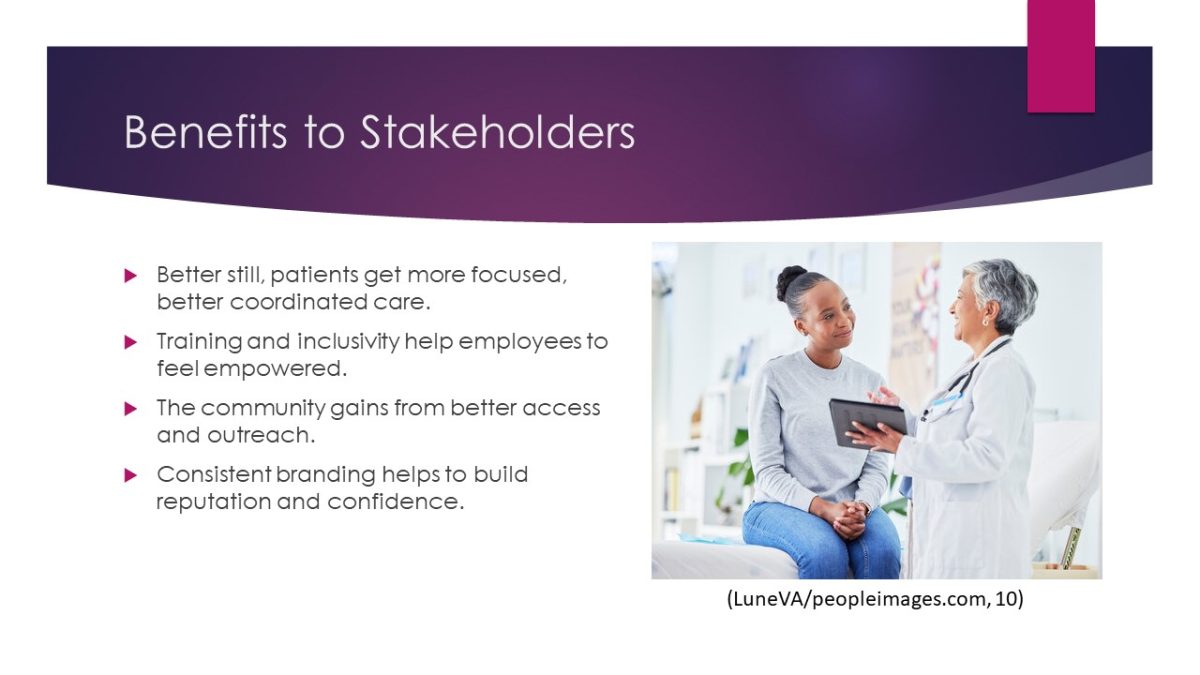
Rebranding our hospital system will tremendously help the community, staff members, and patients. More consistent patient experiences and better treatment coordination across sites are suitable for patients. Early involvement of workers and the ability to boldly welcome change help to raise morale and participation. Outreach projects connected to rebranding will help underprivileged areas access healthcare more easily. Over time, consistent verbal and visual communication also helps build confidence (Cruzat, 12, p. 42). Alignment in brand communication is crucial in complex, multi-site healthcare systems undergoing structural transformation, as it builds public confidence and lessens uncertainty.
DAGMAR Marketing Communication Spectrum
- Setting objectives in regard to awareness and perception.
- Adding story elements and multimedia ads.
- Stressing the need of clinical quality and patient stories.
- Evaluating using surveys and participation statistics.
Using the DAGMAR framework helps us to arrange our marketing efforts. Using story content and testimonial-based campaigns, we will set quantifiable goals for increasing awareness and enhancing knowledge, thus affecting behavior modification. Outdoor advertisements, social media, and internet videos will help us reach more individuals from various backgrounds. We will combine digital engagement measures with frequent polls to evaluate public sentiment and quantify performance. DAGMAR’s goal-oriented strategy helps healthcare communications remain relevant and measurable in complex circumstances (Alsem, 8, p. 40). Explicitly linking communication to outcomes will help us demonstrate that we are open and responsible and create a brand identity relevant to our community.
Applying Cleveland Clinic’s H.E.A.R.T. Communication Strategy
- Paying the patient cautious and respectful attention to her concerns.
- Showing your patients genuine sensitivity for their needs and emotions.
- Apologizing sincerely for any mistakes or delays.
- Responding timely and thank patients for feedback.
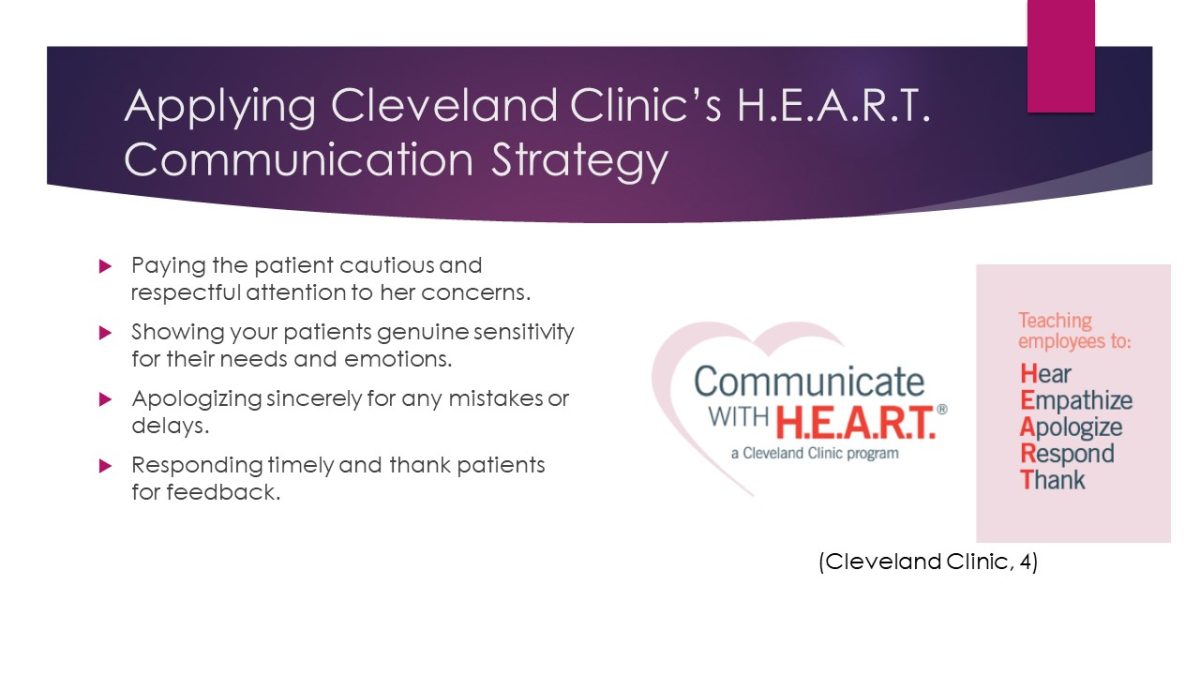
The Cleveland Clinic’s H.E.A.R.T. approach promotes a compassionate and orderly approach to interacting with patients to create trust and guarantee patient satisfaction. The image shows medical professionals verify patient experiences by listening carefully and showing genuine empathy (Cleveland Clinic, 4). Sincere apologies demonstrate accountability; quick responses show gratitude; and favorable comments encourage further contact, strengthening relationships with patients. After a merger, this approach might improve the patient experience at all sites by adding a personal touch to care and proactively addressing issues (Cleveland Clinic, 4). In keeping with our aims of building a patient-centered brand, H.E.A.R.T. and other compassionate communication strategies are linked with enhanced patient satisfaction, adherence, and lowered complaints.
Digital Marketing Strategies
- Utilizing community needs-based social media projects.
- Creating a user-friendly website with patient portal information and service specifics.
- Using SEO techniques can help you improve your local search result and internet visibility.
- Using data analytics to further include your audience and refine your messaging.
Successfully reaching patients and stakeholders has never been simpler than digital marketing. Targeted social media marketing may provide customized messaging using demographic and health-related interests analysis. Patients will have no problem getting to the needed services, booking appointments, or contacting their physicians with our new, user-friendly website. Search engine optimization (SEO) increases the visibility of our institution in local healthcare searches, improving its profile. We will routinely evaluate website traffic and social engagement information to change our messaging strategies and thus enhance the patient experience. Data-driven digital marketing is necessary for a newly merged company to become big online (Cybellium, 5). This form of marketing increases patient acquisition and involvement.
Advertising Strategy
- Showing modern therapies and unique areas of competence.
- One should include the success tales and testimony of the patients.
- Using local media to connect with residents in your area.
- Across all of the ads, have a consistent brand voice and visual design.
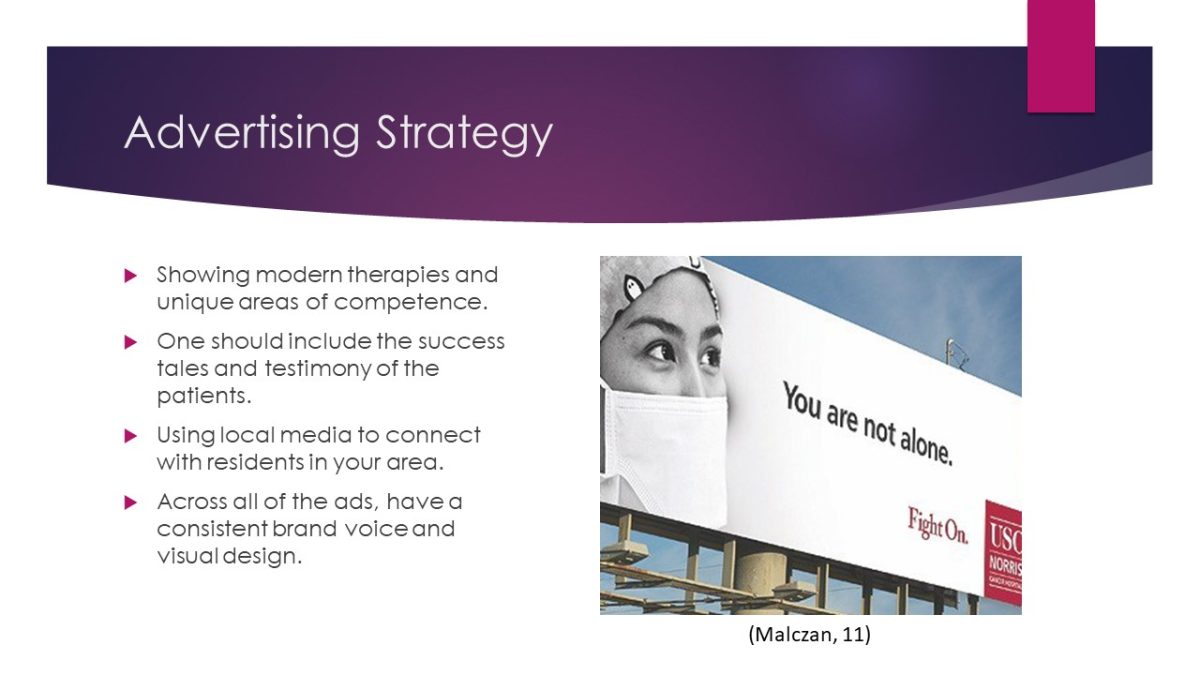
Our advertising approach emphasizes the achievements of our hospital to attract patients and build a reputation. Our special selling propositions are our tailored plans and innovative treatment approaches. Success stories and testimonials from real patients establish an emotional connection with potential new patients. For contacting residents, TV, radio, and newspapers are among the excellent local media sources available (Ranger, 7, p. 73). Maintaining the same logo, colors, and words throughout all advertisements promotes brand equity and facilitates recognition. In the competitive atmosphere of the healthcare sector, integrating commercials with real-life stories is very important.
Public Relations and Community Engagement
- Planning neighborhood health fairs and movie theaters.
- Working together with local political and charitable groups.
- Press releases should highlight milestones and advances.
- Planning media-covered feature articles and interviews.
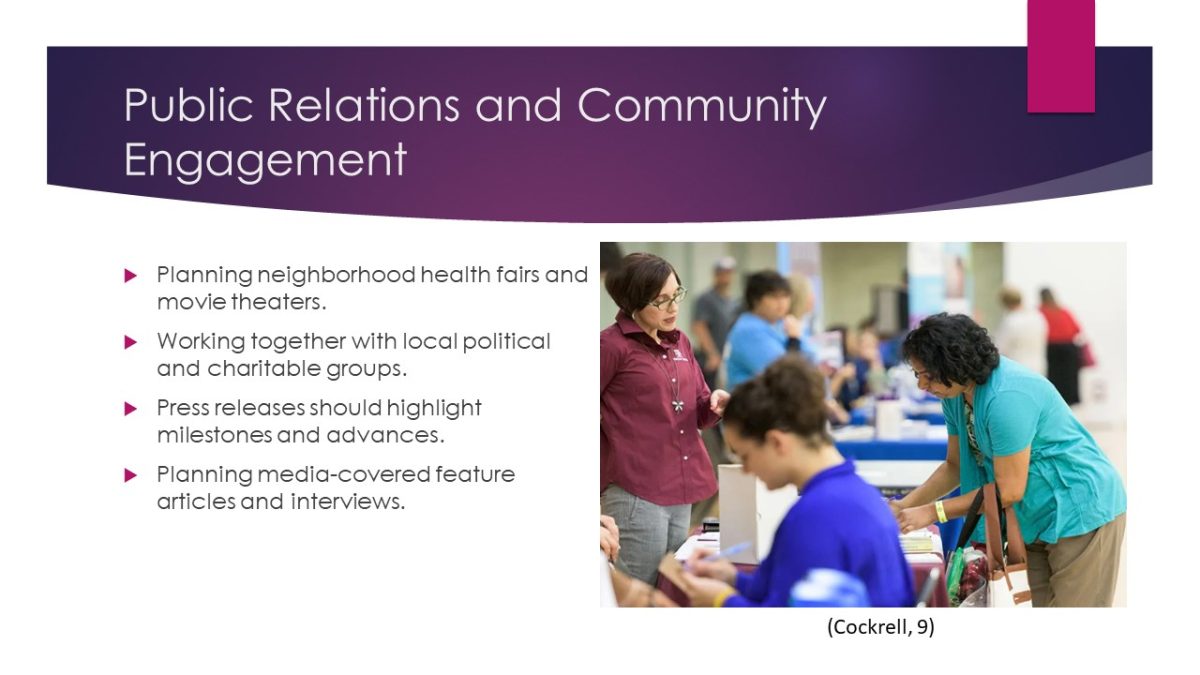
Public relations campaigns help to emphasize our hospital’s commitment to the health and openness of society. Apart from increasing public knowledge of the health need, organizing events such as health fairs and movie screenings offers instant advantages. Using our collaborations with advocacy organizations and NGOs, we may reach more individuals and deepen our ties to society. Regular press releases highlight our achievements, creative ideas, and newly introduced services. Participating in feature stories and interviews with local reporters could help to influence public opinion and generate favorable news coverage (Alsem, 8, p. 203). Companies can enhance their image during transition periods, such as mergers, by using outstanding public relations techniques.
Measuring Marketing and Communication Success
- Noting the patient count as well as the appointment schedule.
- Tracking digital markers, including social activity and website traffic.
- Finding out the brand’s popularity and patient level of satisfaction.
- Changing strategies in view of input from pertinent parties and data.
We must know how well our PR and marketing are doing to keep improving. Important indicators of market penetration include patient count, planned appointment count, and application of new services. Digital statistics such as website traffic, click-through rates, and social media interaction let you assess how effectively your campaign is doing. You should routinely ask yourself where you are regarding patient pleasure and brand recognition. To maintain organizational agility, strategic healthcare marketing relies on data-driven adaptability and entrepreneurial thinking (Cybellium, 5). Strong analytics provide the clarity required to change campaigns in real time and increase interaction with target markets on all digital media channels.
Conclusion and Next Steps
- Rebranding helps the hospital boost its market position and create a consistent image.
- Combining Red and Blue Ocean approaches can help you maximize growth possibilities.
- Good communication helps to raise stakeholder participation and confidence.
- Reviewing constantly helps one to be successful and responsive.
Ultimately, our rebranding effort aims to provide a unique and unforgettable hospital identity that captures our shared values and commitment to delivering first-rate treatment. Combining the Red and Blue Ocean approaches, we may effectively compete and create inventiveness to solve unmet community requirements. When patients, staff members, and business partners feel heard and appreciated, they are more inclined to be open and involved. Vigorous re-engagement of internal stakeholders by leadership during post-merger transitions helps to strengthen company identity (Cruzat, 12, p. 17). In times of organizational change, a consistent brand message strengthens confidence and offers emotional stability, enhancing connection with the new company.
Sources
Alan Belasen. 2024. Transforming Leadership, Improving the Patient Experience: Communication Strategies for Driving Patient Satisfaction.
Alyssa Torpy. 2025. Image.
Chan Kim. 2025. Red ocean vs blue ocean strategy.
Cleveland Clinic. No date. Communicate with H.E.A.R.T.®.
Cybellium. 2024. Introduction to entrepreneurial management.
DesignerPeople. 2019. Image.
Eon Ranger. 2023. Mastering Business Strategy: Unlocking Success in the Competitive Marketplace.
Karel Jan Alsem. 2023. Strategic Marketing Planning: A Step-by-Step Approach.
Leslie Cockrell. 2019. Image.
LuneVA/peopleimages.com. No date. Image.
Nicole Malczan. 2025. Image.
Tasha Green Cruzat. 2022. Surviving mergers and acquisitions: Post-merger impact on organizational identification.